specializing in Evidence-based treatment for anxiety, Stress, and OCD.
Licensed Psychologist Providing Individual Therapy Services in Oregon

The world can be a very scary place. It is no wonder so many of us are anxious and scared. In my practice, I help people learn new ways to respond to their physiology, the challenges in their lives, and the anxiety they feel, with the goal of helping people tap into more ease, joy, and connection.
My first and most important goal is to help you feel seen and understood. You are doing the best you can with the brain you have, the tools you have learned, the challenges you are facing, and culture you are imbedded in and how it intersects with your identities. Often, the shame, embarrassment, and/or anger that manifests when you feel misunderstood or unaccepted become their own problems that can get in the way of change.
In addition to helping you feel understood and accepted, I want to help you develop more helpful tools to navigate the world, in ways that are grounded in mindfulness, self-knowledge, self-compassion, and self-confidence. I want to help you discover what really matters to you, and learn to take steps toward a life full of meaning, even when anxiety and/or OCD get in the way. We don’t have to wait for our mental health to be perfect to live full and meaningful lives.
My approach: In-Person or telehealth Services
Individual Therapy for Anxiety, Stress, Fear, and OCD
The methods that I bring to our sessions have been researched extensively and are shown to be effective for anxiety, fear, and OCD related difficulties. These include Exposure Therapy, Acceptance and Commitment Therapy, and Mindfulness-Based Self-Compassion.
You are the expert on your experience – I see my most important job to be the best listener, to really hear what you are struggling with from a place of compassion and understanding. Only from a place of full honesty from you, and full listening from me, can we start to develop a plan for how to make things better in your life.
It is important to me that those I work with begin to see their lives change because of the hard work of therapy. To that end, we will be explicit in naming the goals we are building toward.
My practice is identity-affirming, which means I strive to validate and integrate your personal, cultural, racial, sexual, and gender identity throughout the therapy process, in order to better understand how your identity shapes how you experience trauma, anxiety, and relationships. Part of our work in therapy will be acknowledging how discrimination, cultural expectations, or identity-based stress contributes to your difficulties, including anxiety, stress, and OCD symptoms.
Making change in therapy is a team sport, not an individual one. I see the therapist-client relationship as the team working together toward change, with the relationship we build as an important motivator and guide. Research shows that many of the gains made in therapy are dependent on a strong relationship.
About Me
Who am I?
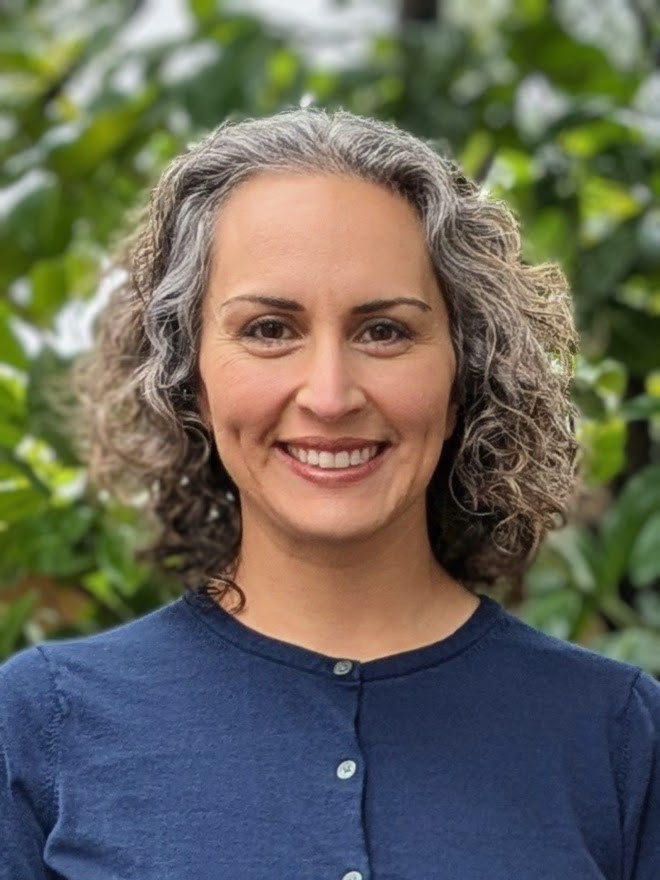
I am a licensed psychologist in Oregon. I was born in Iran and moved to the United States with my family when I was three years old, and grew up in Fresno, California. After earning my Bachelors degree in Psychology from UC San Diego, I attended the University of Oregon for my doctoral program and completed my Ph.D. in Clinical Psychology in 2013. I completed a predoctoral internship at the VA Puget Sound at American Lake, and my postdoctoral fellowship at Stanford School of Medicine. After my fellowship, I returned to Eugene, a place that had become my home during graduate school, became licensed as a psychologist in Oregon, and opened a solo practice.
After working in solo practice for a few years, I opened a group practice specializing in treatment of Anxiety and OCD to help expand training and services offered in Eugene. After a few years of having a leadership and training focus in that role, I left the position to return to solo practice.
Outside of my professional life, I am a parent of two elementary school kids, and enjoy being outdoors, reading books, listening and playing music, and looking for ways to bring more ease to my life.
Am I A Good Fit For Your Needs?
To determine if I might be a good fit for you, I suggest answering the following questions:
Are you (or the person looking for help) an adult (ages 18+)?
At this time, I do not see kids or teens in my practice. The following psychologists in Eugene use evidence-based approaches with kids and teens with OCD and Anxiety:
Kelly Murray, PhD
Ruth Ellingsen, PhD
Alyssa Nevell, PhD
Are you located in Oregon?
I’m licensed in the state of Oregon, so you will need to be in Oregon for our sessions. If you are near Eugene, I have a physical office in Eugene and have in-office appointments available.
Are you able to commit to weekly therapy, and are you able to practice skills between sessions?
The approaches I use are most effective if you can attend weekly and complete therapy assignments in between sessions.
Is anxiety, fear, stress, or obsessive compulsive issues (which can include general anxiety, social anxiety, panic attacks, and specific phobias) the main areas you want to work on?
My specialty and focus is helping folks who want to focus on anxiety, fear, stress, and OCD. While other issues often co-occur (like depression, issues with eating, autistic traits, anger, and ADHD, as some examples), the focus of the work will generally be related to anxiety and/or OCD. If the co-occurring issues seem like they may be primary and the focus of treatment, I may refer you to another therapist.
Do you have needs that would be better served by a group practice/agency level of support?
As a solo practitioner, I have fewer resources then someone working in a group practice. I have no administrative staff, and am often in sessions during business hours. Those who require more frequent support outside of scheduled appointments, or those who have needs that require crisis support (like recurrent thoughts of suicide or self-harm) are more likely to have their needs met from an agency. Eugene Center for Anxiety and Stress (www.eugeneanxiety.com) has specialized services for anxiety and OCD and has more resources to help for those who do need greater frequency of support.
FAQs
How are therapy sessions conducted?
I have a physical office in Eugene, Oregon, and have a virtual office through my EHR, Simple Practice, a HIPAA compliant video platform.
What do you charge for services?
Intake/First Appointment: $300
55 minute therapy appt: $250
45 minute therapy appt: $185
No Show/Late Cancel Fee: $150
Do you take insurance?
I am in-network with Pacificsource, Moda, Regence BCBS, First Choice Health (FCH), United Health Care (UHC/Optum), and Aetna. I can also bill for out-of-network services, or can provide you a superbill.
What does the first appointment look like?
The first session or two is very important for both of us, as we determine jointly if I am a good fit to help you with your needs and goals. I will ask many questions about you, your history, your symptoms, and your goals. At the same time, I am open to any questions you have about my approach or opinion on what you might be struggling with. By the end of one or two sessions, I hope to be able to share my initial thoughts about what I think I can do to help, or share referrals if I think I am not the right fit for you. This is also your opportunity to determine if you think I can be of help and if you think you might like working together.
What does the therapy process look like?
Sessions will be collaborative, with a focus on how we think we can best move toward the goals you want to reach. Often, they are mix of having you share how things have been going (with a focus on what you are thinking and feeling), while I provide some teaching about skills that might be helpful for what you are experiencing (including skills related to relaxation, mindfulness, coping scripts). If your struggles are with avoidance or compulsions, we’ll work together on a list of challenging thoughts, situations, or actions to work toward, either by approaching the things you have feared or limiting your compulsions (this is part of Exposure and Response Prevention)
Along the way, there is always room for you to share feedback so we can work together in ways that fit for what you are looking for.
What are some downsides of using a solo practice therapist?
Because I’m working on my own, without front office staff or other therapist colleagues in my practice, I have fewer resources to help with crisis situations. Thus, if there are issues that require immediate support (like recurrent thoughts of suicide or homicide, or need to talk to me or another therapist in between sessions), I will likely not be a good fit for your needs.
How do I know if therapy is working?
Along the way, I will request that you complete questionnaires that assess the symptoms you are experiencing and the goals you are moving toward, which will give us a numeric way of determining if things are improving. At the same time, you may notice changes in your daily life – things like changes in how you notice anxiety, more space to make decisions when you are stressed out, fewer automatic compulsive behaviors, and fewer panic attacks. I am purposeful with checking in at the beginning of every session about how things have been progressing so that both of us are aware of how therapy is working in case changes need to be made in my approach, or a referral may be needed.
How do I get started if I want to work with you? Do you offer free consultations?
See the “Request an Appointment” section below for details. While I I do offer consultation calls, they do not provide enough information for either the client or therapist to determine if it will be a good fit, but it is a good way to connect via phone if you have any questions.
Prior to scheduling, you will complete a prescreener that I use to learn more about whether you are seeking treatment for things I have experience working in. Prior to meeting, you will fill out a more detailed set of questions about needs and history. These questionnaires help you get more time in our first sessions to get to know me and my approach, and determine if it is a good fit.
Request an Appointment
If you are an adult (18+) struggling with anxiety, fear, or OCD, and think I might be able to help, you can reach out to me via the “Contact Me” or “Request an Appointment” button below.
PLEASE NOTE: My practice is currently FULL. I have a short waitlist and am happy to add you to that list. Use the “Contact Me” feature to let me know you want to be added to my waitlist.

